Planning a Multi-Generational Home?

It takes the right thinking at every stage.

More People. More Complexity. More to Get Right.

Multi-generational homes can be an amazing solution, but they’re rarely simple.


With more people comes more complexity: privacy, access, comfort, cost, and long-term flexibility all need to work together.

If these decisions aren’t handled early, small compromises can turn into long-term frustrations for the whole family.

What works early needs to keep working through design, approvals, and construction.

Multi-generational homes aren’t solved by a single decision.

They require different thinking at each stage:

  • early assessment
  • design
  • approvals
  • and delivery.


Without a defined pathway, complexity tends to surface late, when options are limited and costs increase.

Why Projects Like This Need a Defined Pathway

One Common Starting Point: Feasibility

For many clients, feasibility is the first step. It’s a way to understand what’s possible, what it costs, and what adds value before committing further.

We help clarify questions such as:

  • What’s the best way to zone the home for privacy and harmony?
  • Should we extend out, up, or down?
  • Will council support what we want to do?
  • What design layouts work best for different generations?
  • Are we at risk of overcapitalising, or under-delivering?


We guide you through the technical and emotional complexity of combining households.

A Clear Process

Every project follows the same disciplined pathway. The level of involvement is dependent on what you need.

Text for the multigenerational  pain points for Jay to speak to

  • Bullet 1
  • Bullet 2
  • Bullet 3
  • Bullet 4
  • Bullet 5
  • Bullet 6


Final summary paragraph if needed

Before You Begin Your Multi-Generational Build

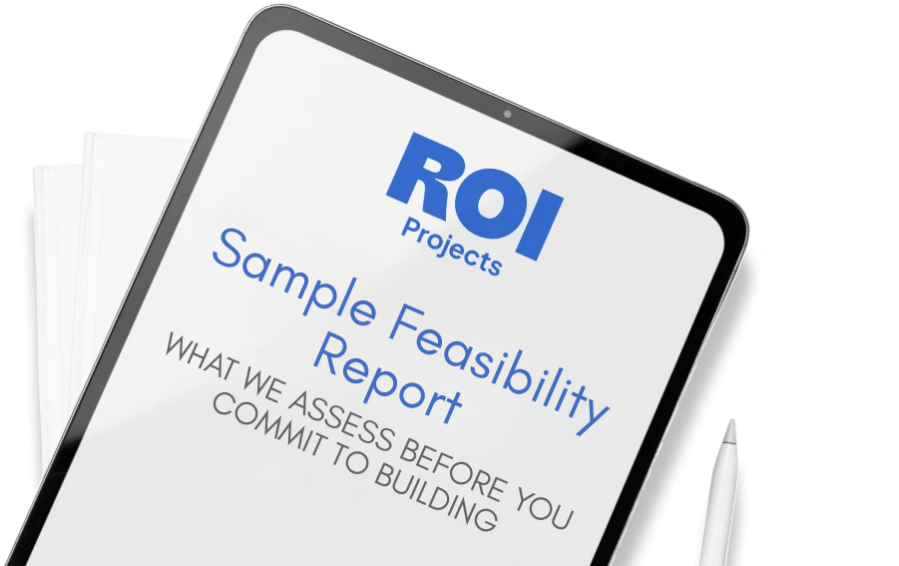
A real example of the feasibility framework we use to test cost, risk, approvals, and value before any design or construction decisions are locked in.

If you’re already planning to build or renovate, the most important decisions happen before drawings, quotes, or builder contracts.

This sample feasibility report shows how we assess projects at the very start.

What’s viable. What adds value. Where risks sit. And what needs to be resolved early to avoid costly mistakes later.

It’s not a checklist or a sales brochure.

It’s a real-world example of how we think and how we plan.

Sample Feasibility Report

Related Case Studies

You’re Not Just Renovating a House, You’re Reshaping Family Life

We help you create a true multi-generational home that works for everyone… today and into the future.